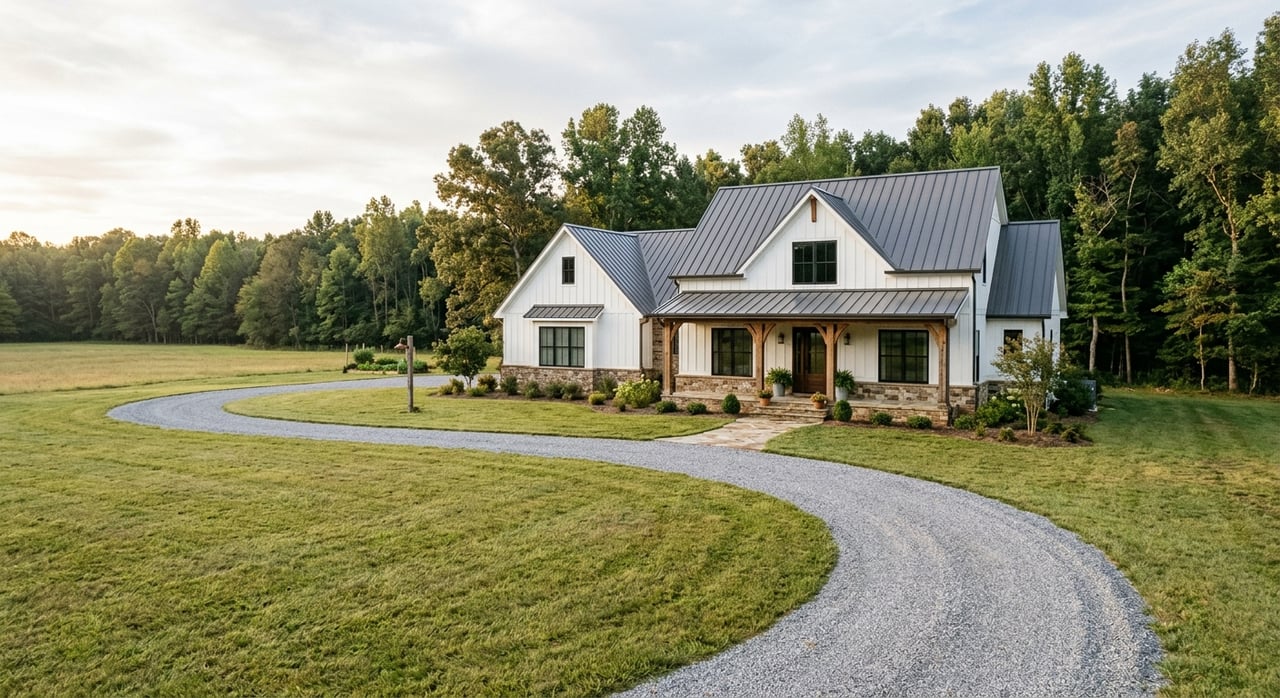
Buying Acreage Near Henderson TN? Start With Land Basics
May 21, 2026
May 21, 2026
Wondering if that beautiful piece of land outside Henderson is truly ready for your plans? Buying acreage can open the door to more space, privacy, and flexibility, but it also comes with questions you do not face with a typical in-town home purchase. If you want to avoid costly surprises, it helps to understand local rules, access, utilities, and septic before you move forward. Let’s dive in.
When you buy acreage near Henderson, you are not just evaluating the land you can see from the road. You are also looking at who regulates the parcel, whether it has legal access, what utilities are available, and whether the land can support your intended use.
Chester County and the City of Henderson both maintain active systems for building, zoning, and land records. That means location matters beyond the mailing address. A tract inside the city, inside the planning region, or elsewhere in unincorporated Chester County may follow a different local review path.
Before you think about building, fencing, or dividing land, find out where the parcel falls from a local planning standpoint. Around Henderson, the first question is whether the tract is inside the City of Henderson, inside the Henderson planning region, or in the rest of unincorporated Chester County.
That matters because Henderson’s building and zoning department handles rules for both the city and the planning region. Outside that area, Chester County handles county review. If you assume a rural property is automatically exempt from permits, you could run into delays later.
Chester County says residential building permits are required countywide and have been since 2017. City and county materials also note that permits are generally required for new construction and other projects above the $2,000 threshold.
In practical terms, acreage does not mean no oversight. The county permit process can involve details like zoning district, setbacks, flood zone information, and whether a septic permit is attached. That is why it helps to confirm the local process early, especially if you want to build soon after closing.
A parcel can look perfect online and still have access issues. You want to confirm more than a visible path or driveway. What matters is whether the tract has usable legal access supported by recorded documents.
Chester County’s Register of Deeds records deeds and plats, and county plat materials track items like easements, rights-of-way, streets, and public dedications. The Assessor of Property also maintains parcel maps with physical characteristics, which can help you understand how the tract is laid out.
If you plan to build now or divide the land later, access becomes even more important. County plat requirements specifically address proposed streets, easements, and rights-of-way. They also call for restrictive covenants to be shown if they exist.
That means you should confirm the property has more than convenient physical entry. You want to know that access is legal, usable, and consistent with your future plans.
Road conditions are another part of due diligence. Chester County’s Highway Department maintains and constructs more than 500 miles of roads and 76 bridges, which shows how extensive the county’s rural road network is.
That does not confirm anything about a specific driveway or entrance, but it does highlight why road access should be checked carefully. A quick review now can save a lot of frustration later.
One of the biggest mistakes acreage buyers make is assuming nearby service means on-site service. Around Henderson, utility availability can change from parcel to parcel, even when land is only a short drive from town.
Henderson’s Utility Department provides natural gas distribution, domestic water distribution, wastewater collection, and water treatment service. According to the city, water reaches the greater Henderson area and west into Deanburg. Gas service extends north to Pinson, east to the State Highway 22A area, south to Bethel Springs, west to Deanburg, and most areas in that region. Sewer collection serves the greater Henderson city area.
For acreage, you should verify where service lines are and whether connection is realistic for that tract. If the parcel is outside service coverage, you may need private water and septic instead.
The city also requires standard service documents such as photo ID, proof of ownership or lease, a completed application, deposits where applicable, and service fees. That is helpful to know if you are planning a quick move from closing to construction.
If a parcel does not have public sewer, septic feasibility becomes a major part of your decision. Tennessee requires a septic construction permit for installation of a subsurface sewage disposal system. The permit should be obtained before dirt work begins or before a building pad is constructed.
This is a key step for raw land buyers because a parcel may look buildable and still face septic challenges based on soil or site conditions. If conditions do not support a conventional system, an alternative system may be needed.
TDEC notes that alternative systems are used when soil or site conditions do not favor a conventional system. Those applications require an extra-high-intensity soils map prepared by a Tennessee-licensed soils consultant.
That means septic is not something to treat as a last-minute box to check. It can affect your budget, homesite placement, and overall plan for the property.
If you are buying acreage with future division in mind, it is important to understand how septic review can come into play. TDEC says a subdivision evaluation is required when dividing land into two or more lots for immediate or future construction where septic will be used.
TDEC also states that dividing land into parcels of five acres or larger is not considered a subdivision for that septic-evaluation purpose. Even so, if your long-term goal includes multiple homesites, it is smart to ask those questions upfront.
TDEC also notes that inspection letters and certificates of verification are commonly requested during sales and financing. In addition, an electrical inspector needs written notice of public sewer, a septic application, or existing septic before processing service requests.
That makes septic more than a construction issue. It can affect closing preparation, financing steps, and utility setup too.
Soil affects much more than whether grass grows well. It can influence driveway placement, drainage, garden performance, pasture use, and septic field placement.
USDA NRCS says Web Soil Survey provides soil data for land-use decisions, though some engineering and soil-quality questions still require onsite investigation. Locally, Chester County Soil Conservation works with NRCS and the Tennessee Association of Conservation Districts on agricultural best management practices that reduce erosion and improve water quality.
A beautiful tract can still have wet areas, steep slopes, or erosion concerns. Those conditions may change where you place a home, barn, shop, or driveway.
The county permit application also asks about flood zone information and whether an elevation certificate is attached. That is a good reminder that drainage and floodplain issues are part of local review, not just personal preference.
Acreage near Henderson can support many practical goals. Common use ideas include a single homesite with room for a shop or outbuilding, a small pasture or hobby-farm setup, a garden and recreation tract, or a future build site for family use.
Still, the best use depends on local rules and site conditions. Zoning, setbacks, septic capacity, and any recorded restrictions all need to line up with your plans.
County permitting materials address accessory buildings and mobile or manufactured homes. TDEC also notes that conventional septic systems can serve accessory buildings such as a garage, shop, or barn.
That can be helpful if you are planning more than just a house. If your vision includes extra structures, it is worth confirming how those improvements fit with the parcel’s layout and approvals.
Buying rural land often means coordinating details across several offices and records. You may need to review zoning, parcel maps, deeds, plats, utility service, highway access questions, and septic feasibility before you feel comfortable moving ahead.
That is where local guidance can save time and reduce guesswork. A tract can look attractive in photos, but smart acreage buying usually comes down to what the records, site conditions, and local review process actually support.
If you are thinking about buying acreage near Henderson, you deserve clear answers before you commit. Destiny Burns offers local, hands-on guidance for Chester County buyers who want to move forward with confidence.
Stay up to date on the latest real estate trends.

We'd love to hear from you! Whether you're buying, selling, or just exploring your options, we're here to provide answers, insights, and the support you need. Contact us and start planning your next move.