Build in Greystone Estates Henderson TN With Clarity
March 24, 2026
March 24, 2026
Thinking about building your next home with more space, privacy, and custom touches? Greystone Estates and Greystone Cove near Henderson offer acreage lots with a country feel and easy access to town. If you value room to spread out and a home tailored to your lifestyle, this area is worth a close look. In this guide, you’ll learn what to expect with lots, utilities, septic permits, county building steps, financing, and how to assemble the right team. Let’s dive in.
Greystone Estates and Greystone Cove sit in Chester County, just outside Henderson in the 38340 ZIP. Lots here are marketed with Henderson addresses, but your permitting runs through Chester County. Recent MLS activity shows many parcels in the 1.6 to 3.8 acre range, with several lots listed around $42,000. Inventory and pricing change, so confirm current details before you make an offer.
You’ll find recently built custom homes throughout the streets as well. Public listings show traditional and Craftsman-influenced designs from roughly 2,300 to over 3,500 square feet, with sale prices that have reflected size, features, and finishes. Always check the latest local data to benchmark your build budget.
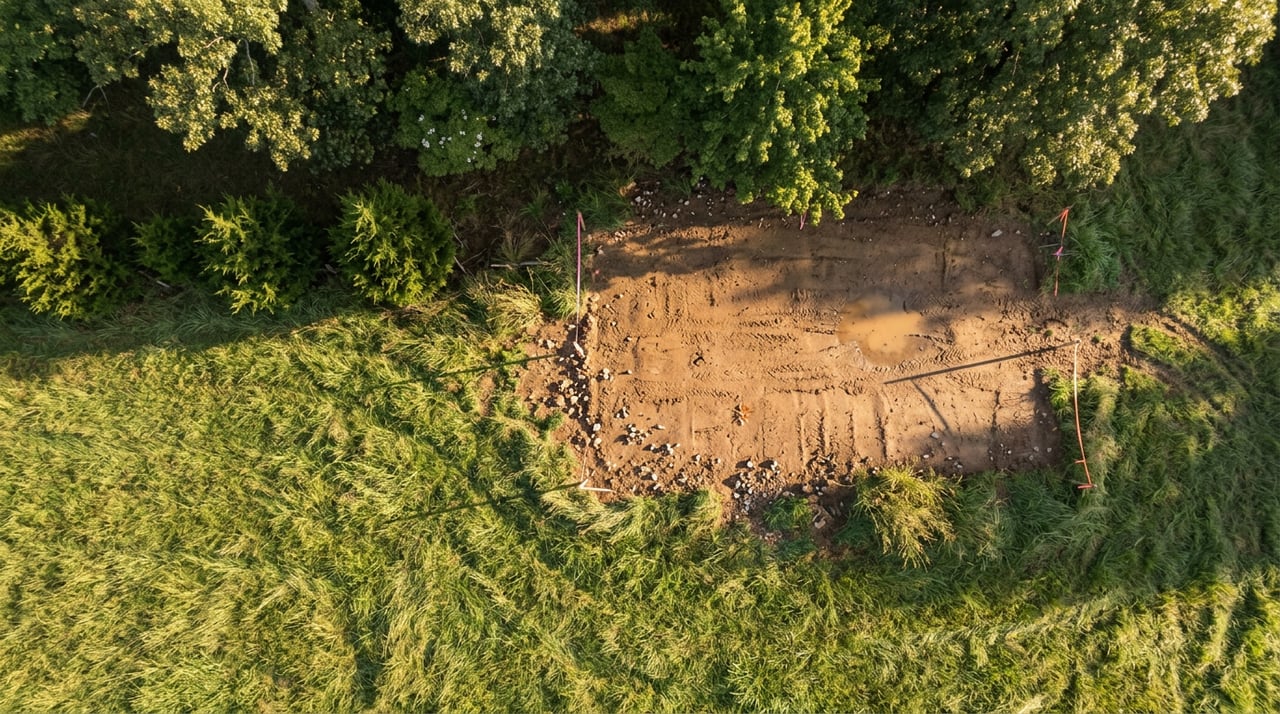
Most Greystone parcels are partially wooded with a rolling slope. Several roads are chip-and-seal or have some gravel sections. That setting gives you privacy and a natural backdrop, but it also means you should budget for driveways, selective clearing, and site work.
Many lots advertise underground electric and fiber or cable at the street. Some mention natural gas availability. Connection specifics vary by parcel. Verify exactly which utilities are stubbed to your chosen lot and what tap fees apply before you finalize a contract.
A key point for Greystone buyers: many finished homes and listings note private wells for water and onsite septic systems. Unless a specific lot is documented as having city water or sewer service, plan for a well and a septic system. The City utility handles natural gas, water distribution, and wastewater collection within its service area. You can review the provider and make contact through the local business directory for Henderson Gas & Water information. Service boundaries matter, so confirm on a lot-by-lot basis.
If your lot requires onsite sewage, you must secure a Subsurface Sewage Disposal System (SSDS) construction permit through the Tennessee Department of Environment and Conservation. TDEC explains application requirements, fees, soil evaluations, and approved consultants on its SSDS pages. Start by reviewing the SSDS construction permit overview, then check the permit application guidance.
Here is how it typically works:
Septic viability is site specific. A nearby lot that passed a perc test does not guarantee your lot will. Protect yourself with a soil and septic contingency in your lot contract.
Chester County administers your building permit and inspections even if your address reads Henderson. The county enforces the 2018 International Residential Code along with related plumbing, mechanical, energy, and fuel gas codes. Residential permits are required for construction above defined value thresholds and include staged inspections for footing, foundation, framing, insulation, and final approval. Permits expire if work does not begin within six months. Review the county’s process and contact details in the Chester County permitting packet and the Building & Zoning page. Getting your questions answered early can save weeks later.
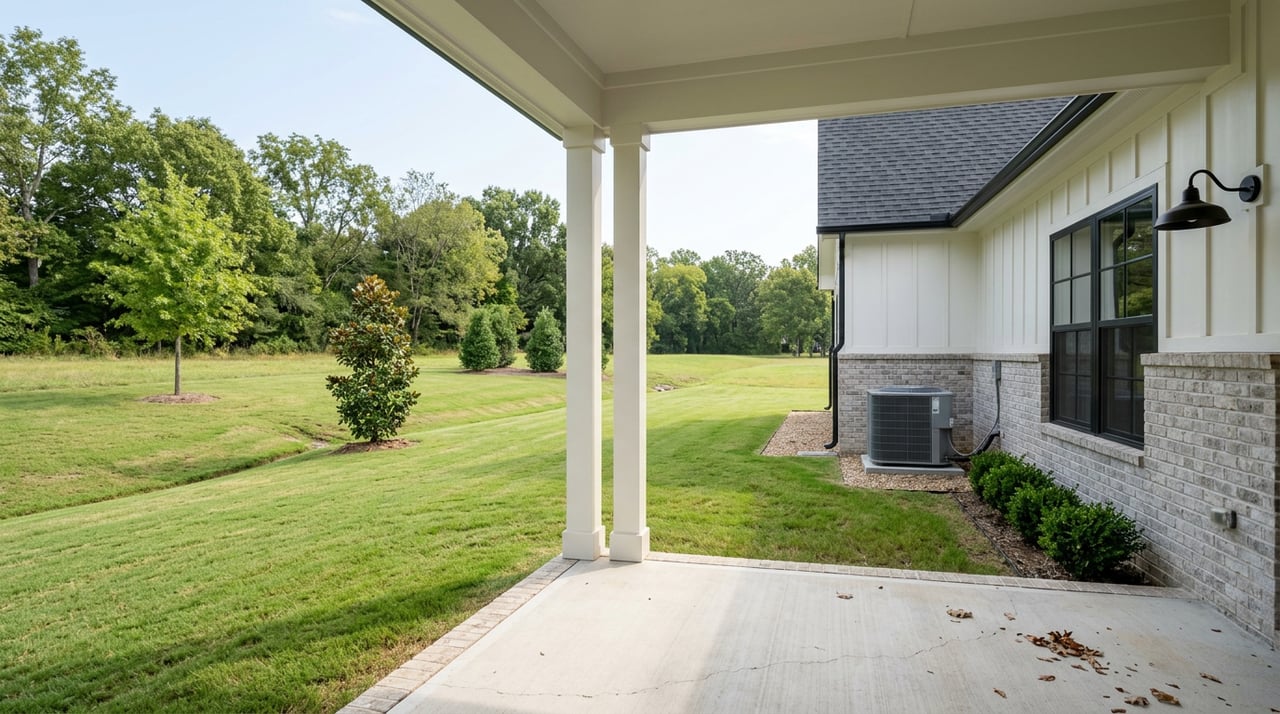
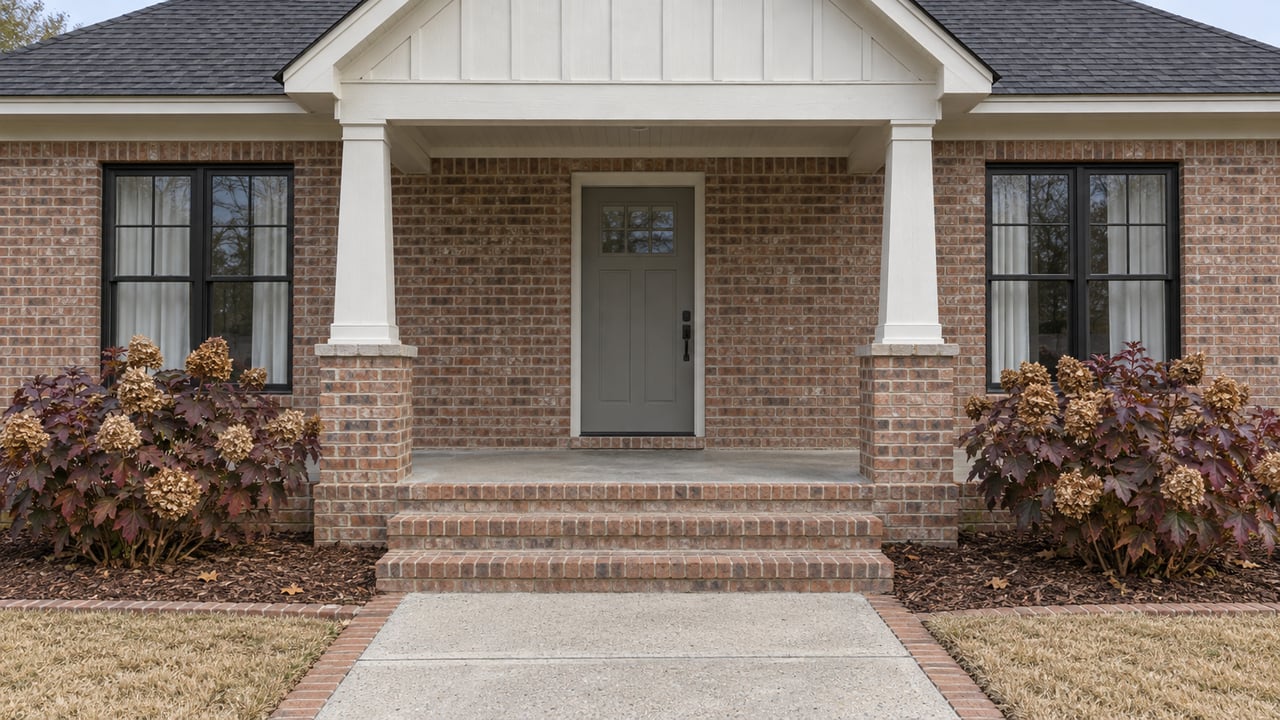
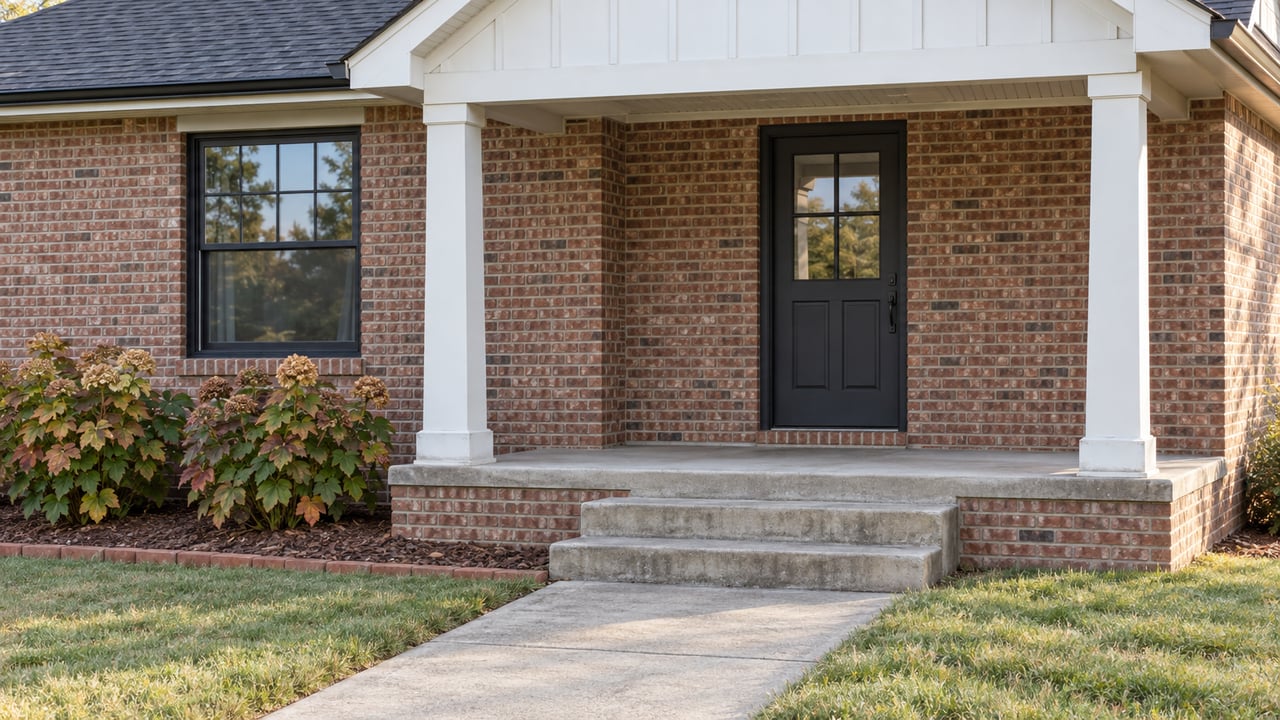
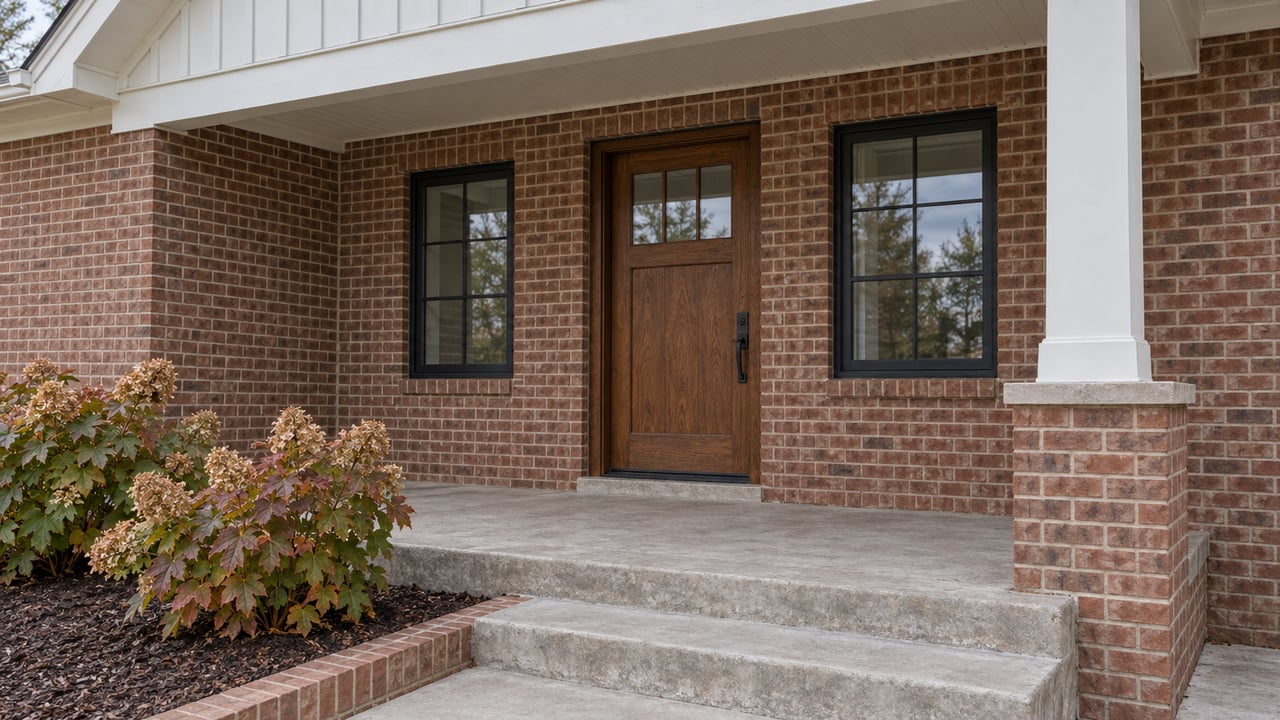
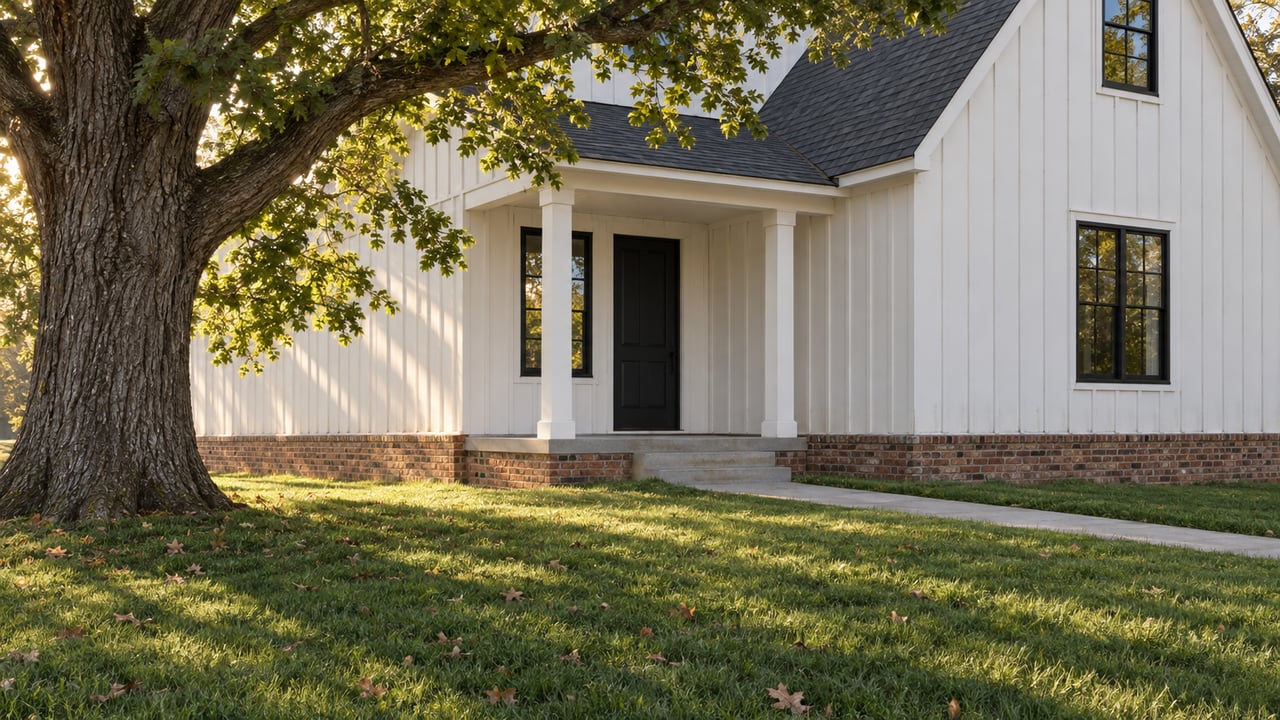
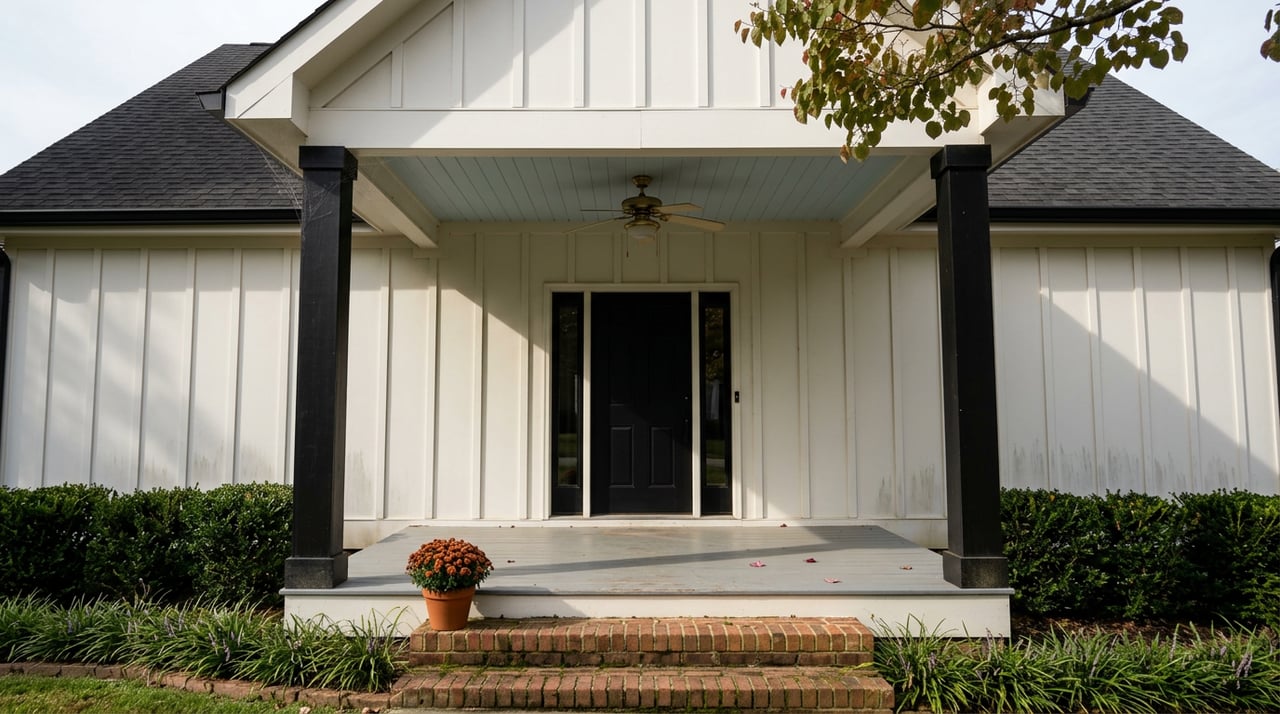
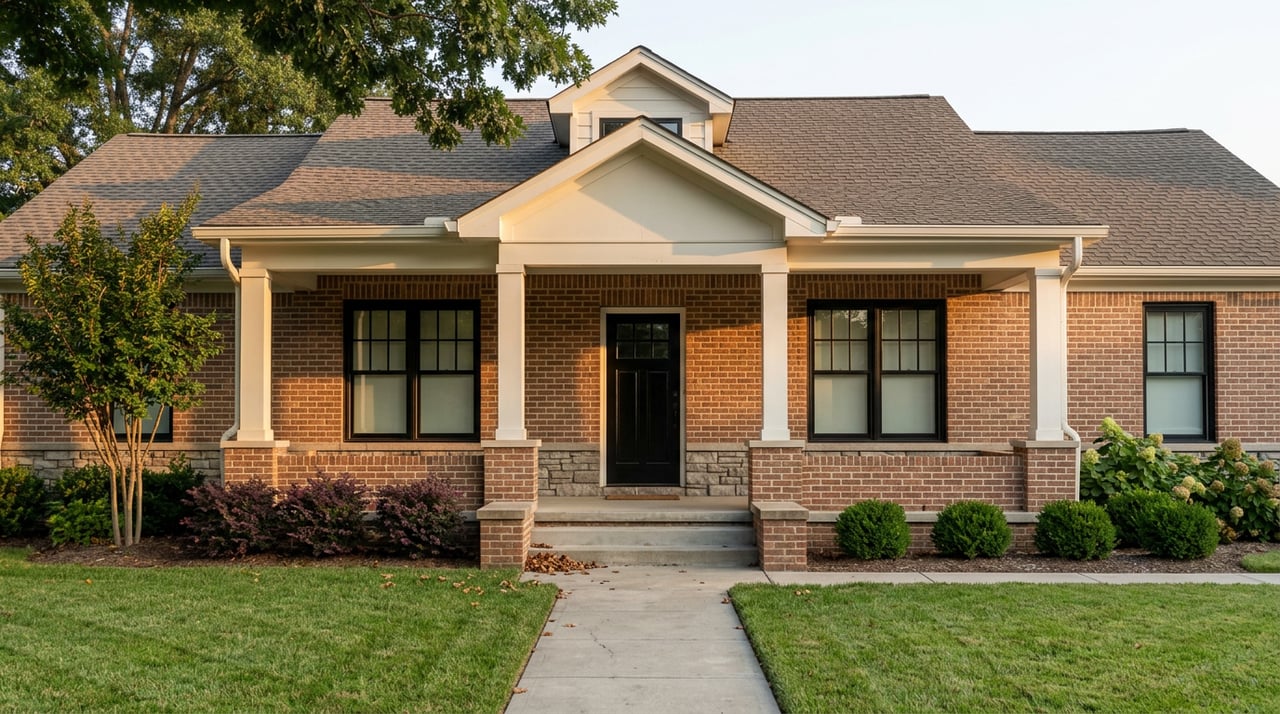
Recent Greystone builds lean traditional with Craftsman influences. You’ll often see brick veneer, Hardie siding, stone accents, and warm cedar trim. Covered front and back porches and generous garages are common. Floor plans tend to be larger ranch or two-story designs that take advantage of acreage and views.
You have a few common paths:
Construction loans are usually interest-only during the build and disbursed in draws. Lenders typically require detailed plans, a signed builder contract, and strong borrower qualifications. For a plain-English overview of terms, review Bankrate’s mortgage glossary and a consumer primer on construction loan features and expectations. Compare offers from multiple local lenders and study fees, draw schedules, and rate-lock options.
Greystone has seen multiple custom homes delivered by small, local builders. That is common in acreage subdivisions. When you interview builders, ask to tour recent projects and speak with owners. Verify license, insurance, and local references.
Your contract matters. Clarify whether you are signing a fixed-price or cost-plus agreement, how change orders are priced and approved, the construction schedule and remedies for delays, and what warranties apply for workmanship and systems. Spell out who pulls permits and pays tap fees. Require lien waivers from subs and suppliers before final payment.
Builder sales reps represent the builder. A buyer’s agent represents you. An experienced local agent will confirm title, easements, setbacks, and floodplain status; coordinate soil testing and septic permitting; obtain any recorded covenants; and negotiate contract contingencies for utilities and buildability. For a balanced summary of why buyer representation matters in new construction, read this consumer guide on using an agent for new construction.
Your agent can also attend key site meetings, track permit milestones, and help ensure lien releases and final documents are ready for closing. This coordination helps your build stay on time and on budget.
Before you write checks, confirm these items for your specific parcel:
Ready to explore Greystone Estates or Greystone Cove with a local guide who knows the land, the process, and the players? Reach out to Destiny Burns for a friendly strategy call and neighborhood insight tailored to your goals.
Stay up to date on the latest real estate trends.

We'd love to hear from you! Whether you're buying, selling, or just exploring your options, we're here to provide answers, insights, and the support you need. Contact us and start planning your next move.