How to Sell a Home in Jackson TN as a First-Time Seller
June 25, 2026
June 25, 2026
Thinking about selling your first home in Jackson? You are not alone, and you are not imagining the shift in the market. Today’s buyers are still active, but they are more price-aware, more comparison-driven, and less likely to rush into an offer without doing their homework. That means your first sale can go smoothly if you plan ahead, price smart, and stay focused on what matters most. Let’s dive in.
If you sold during the hottest part of the market, you may have expected a fast bidding war and a quick close. In Jackson, current market data points to a more balanced and price-sensitive resale market. Across major housing platforms, median prices and days on market vary, but the overall message is clear: sellers need to line up with local comparable sales rather than count on overpricing and negotiating down later.
Recent reports showed Jackson with a median sale price around the mid-$260,000s, a sale-to-list ratio of 0.982, and active inventory ranging from the high 300s to more than 600 listings depending on the source. Those figures are not identical because each platform tracks the market differently. Still, together they suggest that buyers in Jackson have options, and pricing strategy matters.
For first-time sellers, pricing is often the biggest stress point. It is easy to look at an online estimate or hear what a neighbor hoped to get and assume your home should match it. In reality, buyers compare your home to similar properties that are active, pending, and recently sold in your part of Jackson.
That matters because neighborhood-level trends can look very different from citywide averages. Recent local data showed Lawrence moving much faster than areas like Midtown, Downtown Jackson, or Gilmore. ZIP code patterns also vary, with 38305 showing a higher median listing price than 38301.
The takeaway is simple: citywide averages are only a starting point. A strong pricing plan should reflect your neighborhood, your home’s condition, your lot, your updates, and how your property compares to competing listings right now.
Many first-time sellers underestimate how long prep work takes. Research shows that many sellers spend 3 to less than 4 months seriously thinking about a sale before they list, and sellers who reach their target price often start preparing 60 to 90 days in advance.
If you want less stress and better presentation, give yourself a realistic runway. A practical timeline often looks like this:
This kind of planning helps you avoid rushed decisions and last-minute costs.
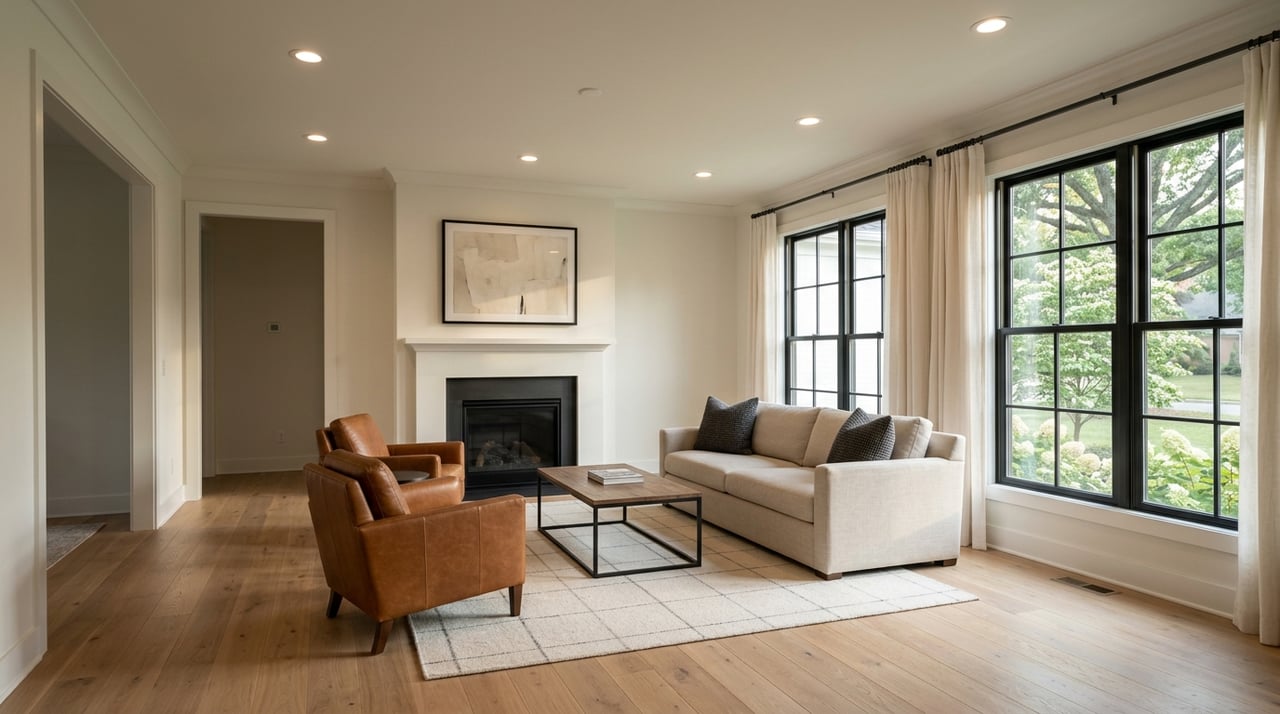
You do not need to remodel every room before you sell. In most cases, your first goal should be improving the home’s overall presentation, not chasing expensive upgrades that may not change a buyer’s first impression.
Buyers often decide whether a home feels worth touring based on what they see online. Research on listing presentation found that photos matter to 73% of buyers’ agents, while staging, video, and virtual tours also play an important role. That means clean spaces, better light, tidy surfaces, and strong curb appeal can have a bigger impact than a costly project with limited visual payoff.
Start with the basics:
These steps can help your home feel more move-in ready without overspending.
Staging can be especially helpful if this is your first time selling and you want buyers to connect with the space quickly. According to recent research, 83% of buyers’ agents said staging made it easier for buyers to visualize a property as their future home. Nearly half of sellers’ agents said staging reduced time on market, and 29% said it increased the dollar value offered by 1% to 10%.
That does not always mean full-service staging is necessary. The median reported cost for a staging service was $1,500, while agent-assisted staging had a lower median cost of $500. The rooms most commonly staged were the living room, primary bedroom, dining room, and kitchen, which gives you a smart place to focus your effort and budget.
For many Jackson sellers, strategic staging means highlighting the rooms that shape the strongest online and in-person impression.
A lot of sellers ask when the best time to list is. National research identified mid-April as a strong listing window, with more views and faster sales than a typical week. That can be helpful as a benchmark, but it should not be treated like a guarantee for Jackson.
Local inventory levels, neighborhood competition, condition, and price point can matter more than the calendar alone. If your home is ready earlier or later, it is usually better to launch when the property shows well and the pricing is right than to rush toward a date that does not fit your situation.
Once your home goes live, showings can feel disruptive at first. The easiest way to manage them is to build a repeatable routine so your home can be ready on short notice.
A simple showing system may include:
This does not mean your home has to look perfect every minute of the day. It means creating a practical reset that helps buyers walk in and focus on the home itself.
Inspections are one of the biggest sources of surprise for first-time sellers. A typical home inspection can last at least 2 to 3 hours and may cover the structure, roof, plumbing, electrical, HVAC, interiors, insulation and ventilation, fireplaces, and in some cases environmental concerns.
Common issues can include structural concerns, drainage problems, faulty wiring, HVAC trouble, and safety items like missing smoke or carbon-monoxide detectors. A pre-listing inspection can help you spot problems before a buyer does, which gives you more control over repairs, pricing, or how you position the home in the market.
If you choose to sell as-is, that means you are not promising repairs. Even then, it helps to understand the home’s condition in advance so you can negotiate from a more informed position.
In Tennessee, sellers should expect disclosure paperwork early in the process. The residential property disclosure form asks about known defects and conditions, including things like environmental hazards, flooding or drainage issues, deed restrictions, shared features, and other known concerns.
The form is not a warranty, and it does not replace the buyer’s inspection. It is also important to know that the sales agreement can supersede repair obligations or an as-is understanding. For first-time sellers, the key point is to be thorough, honest, and prepared to complete this paperwork carefully.
The highest offer is not always the best offer. When offers come in, you should compare the full structure of each one, including the buyer’s financing, contingencies, earnest money, requested concessions, and proposed closing timeline.
For example, a slightly lower offer with fewer contingencies and a smoother closing schedule may leave you in a stronger position than a higher offer with more uncertainty. Buyers may include inspection, appraisal, and financing contingencies, and those terms can affect how likely the transaction is to stay together.
Earnest money is another piece to review. It is not required by law, but when used, it often ranges from 1% to 10% of the price. In general, if a contingency that protects the buyer is not met, that deposit is typically returned.
First-time sellers sometimes focus too much on the headline number. What matters more is what you actually walk away with after all costs and credits are factored in.
Seller concessions can be used for a range of expenses, including title search, loan costs, inspections, HOA fees, real estate taxes, repairs, updates, or other professional fees. That is why a lower offer with fewer concessions can sometimes produce a better bottom line than a higher offer with more seller-paid costs.
Seller costs also vary. Rather than expecting one universal percentage, it is more accurate to think in categories such as:
As you move toward closing, the paperwork becomes more detailed. In Madison County, the Register of Deeds is the office that accepts, receipts, and indexes land documents, which is where the deed and related documents are ultimately recorded.
Tennessee also charges recordation tax, including a realty transfer tax of 37 cents per $100, plus an indebtedness tax on recorded debt instruments. Seller-side closing paperwork may also reflect liens, property tax obligations, judgments, or other amounts that are paid from your proceeds at settlement. Knowing that ahead of time can help you avoid surprises on closing day.
Selling your first home is not just about putting a sign in the yard. It is about pricing for your part of Jackson, preparing the home on a realistic timeline, marketing it well online, and negotiating the full deal structure with your goals in mind.
Most sellers still choose professional representation, and for good reason. Recent seller research found that 91% of sellers used a real estate agent, while only 5% sold without one. Sellers said they most wanted help with marketing, pricing competitively, and selling within a specific timeframe, which are exactly the areas where a clear local strategy can make the biggest difference.
If you are getting ready to sell in Jackson, a thoughtful plan can help you avoid common first-time mistakes and move forward with more confidence. For personalized guidance, pricing insight, and high-touch support from a local team, call or message Destiny Burns today for a free consultation and home valuation.
Stay up to date on the latest real estate trends.



We'd love to hear from you! Whether you're buying, selling, or just exploring your options, we're here to provide answers, insights, and the support you need. Contact us and start planning your next move.